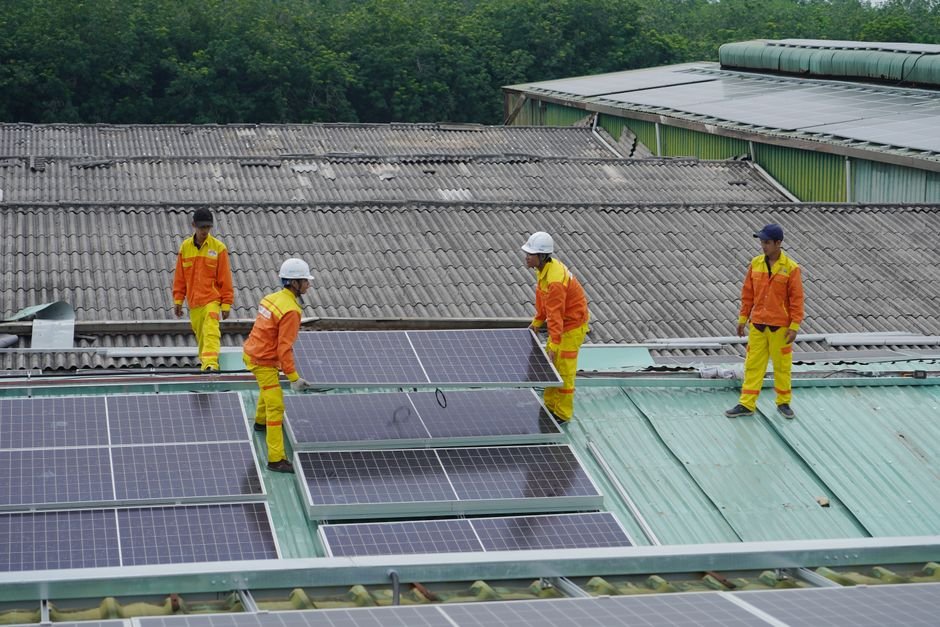
If you have ADT Solar panels on your roof—or were considering getting them—you’ve probably heard the news and want a straight answer. Did ADT Solar shut down? Will your warranty still be honored? What do you do now?
This article cuts through the confusion. Here’s exactly what happened, what it means for existing customers, and what steps you should take.
ADT Solar Has Closed—But ADT the Company Has Not
The most important thing to understand is this: ADT Solar, the solar division, is closed. ADT Inc., the security and smart home company, is still operating.
ADT Solar stopped accepting new customers on February 19, 2024. By March 2024, the solar division was fully shut down. This wasn’t a bankruptcy or a company collapse—it was a planned exit from a product line that wasn’t working out.
In January 2024, ADT’s Board of Directors formally approved the decision to leave the residential solar business entirely. CEO Jim DeVries described it as a move made after careful deliberation, one expected to provide financial and operational benefits to the company. Meanwhile, ADT’s core security business was performing well.
So if you’re searching “Is ADT going out of business?”—the answer depends on which part of ADT you mean. The solar side is gone. The security side is not.
Why ADT Left the Solar Business
ADT entered the solar market in late 2021 by acquiring Sunpro Solar and rebranding it as ADT Solar. The idea was to expand beyond home security into the growing residential solar market. It didn’t go as planned.
The solar division ran into significant financial and operational problems. Industry observers noted that ADT may have underestimated how complex it is to run a residential solar installation business at scale. Some industry commentators suggested ADT should never have purchased Sunpro in the first place, pointing to reputation issues and integration challenges—though that’s industry perspective, not an official finding.
ADT’s exit also fits a broader pattern from 2024. It wasn’t the only major residential solar installer to close that year. Titan Solar Power, for example, filed for Chapter 7 bankruptcy in June 2024—a much more severe outcome than ADT’s planned division closure. The residential solar installation industry was going through a rough stretch, and companies of all sizes felt it.
For ADT, pulling out of solar made financial sense. Their security business was strong, and continuing to prop up a struggling solar division wasn’t worth it.
What ADT Has Said About Existing Customer Warranties
This is what most current ADT Solar customers want to know: Will my warranty still be honored?
ADT has publicly stated that it will stand behind existing installations. The company said: “ADT stands behind the products we sell and our work.” ADT’s support page also confirms that while no new solar customers are being accepted, the company continues to provide support for existing solar customers.
ADT Solar previously offered comprehensive 25-year warranties covering labor, equipment, and power production. If you were a customer before the shutdown, you should review your original contract carefully to understand exactly what was promised and what terms apply.
That said, not every customer’s experience has been smooth. There are documented reports—from homeowners in online groups—of warranty terms being disputed or changed after ADT took over Sunpro. Some customers say coverage they were originally promised was later denied. This isn’t a universal outcome, and ADT’s official position is that warranties will be honored. But it’s worth knowing these disputes exist.
If you’re counting on your warranty, don’t assume everything will be seamless. Be proactive and get any commitments in writing.
Practical Steps If You Are an Existing ADT Solar Customer
Here’s what you should actually do if you have ADT Solar panels on your home:
1. Contact ADT Solar Customer Support First
For warranty claims, repairs, or service issues, start with ADT’s solar customer support channel. ADT has confirmed it’s still handling support for existing customers. Don’t assume you have no recourse just because the solar division is closed.
2. Separate Your Warranties
Your warranty coverage may come from multiple sources, not just ADT. Equipment warranties—for the panels and inverters—are held by the manufacturers, not the installer. If a panel or inverter fails, contact the manufacturer directly. ADT’s installer warranty covers labor and workmanship, which is a separate matter.
For example, if your inverter stops working, contact the inverter brand. If a roof penetration leaks due to poor installation, that’s a workmanship claim with ADT.
3. Check Your Monitoring App
If your monitoring app stopped updating or showing data, don’t panic. Solar monitoring is often tied to the inverter manufacturer’s platform, not the installer’s. Contact your inverter brand—they should be able to help you restore monitoring access, often at no cost.
4. Keep All Your Documentation
Hold onto everything: the original installation contract, warranty certificates, any emails or letters from ADT, and records of any service visits. If a dispute arises later, this documentation is your evidence.
5. Find a Local Certified Installer for Ongoing Maintenance
For routine maintenance or repairs that fall outside your warranty, find a reputable local solar installer to service your system. Look for one who is certified and has experience working with systems from multiple installers. Most good solar companies will service systems they didn’t install.
6. Consider Legal Advice If Your Warranty Was Denied or Changed
If your warranty terms were altered after ADT acquired Sunpro, or if a covered claim was denied, you may have legal options. Some homeowners have pursued arbitration or individual lawsuits over these disputes. Talk to a lawyer who handles consumer or contract law—many will do a free initial consultation. The outcome depends heavily on your specific contract and situation, so get case-specific advice rather than relying on general information.
What This Means If You’re Shopping for Solar Now
ADT Solar’s story is a useful example for anyone considering solar installation. The panels on the roof aren’t the only thing that matters—the company behind them matters too.
When evaluating solar installers, ask these questions:
- How long has this company been in business?
- Who backs the workmanship warranty—the installer only, or a third-party insurer?
- What happens to my warranty if the company is sold or closes?
- Are equipment warranties tied to the manufacturer or the installer?
Companies that use third-party warranty insurers provide better long-term protection, because the warranty doesn’t disappear if the installer does. Manufacturer warranties on panels and inverters are generally more reliable than installer workmanship warranties for this same reason.
The 2024 wave of installer closures—including both ADT Solar and Titan Solar Power—showed that even big names can exit the market quickly. Doing your homework before you sign matters more than most people realize.
For more coverage of business news and practical industry updates, visit InBiz.
The Bottom Line
ADT Solar is closed. It stopped taking new customers in February 2024 and fully shut down the division by March 2024. But ADT Inc. as a company is still operating—this was a division closure, not a bankruptcy.
If you’re an existing customer, ADT has said it will honor warranties and continue supporting solar customers. That’s the official position. In practice, some customers have reported disputes, so stay organized, keep your documents, and contact ADT directly for any issues before assuming you’re on your own.
If ADT doesn’t come through on a legitimate claim, you have options—manufacturer warranties, local installers for service, and legal counsel if terms were changed without notice.
The panels on your roof still work. The path to getting support is just a little more work than it used to be.
Read Also:

