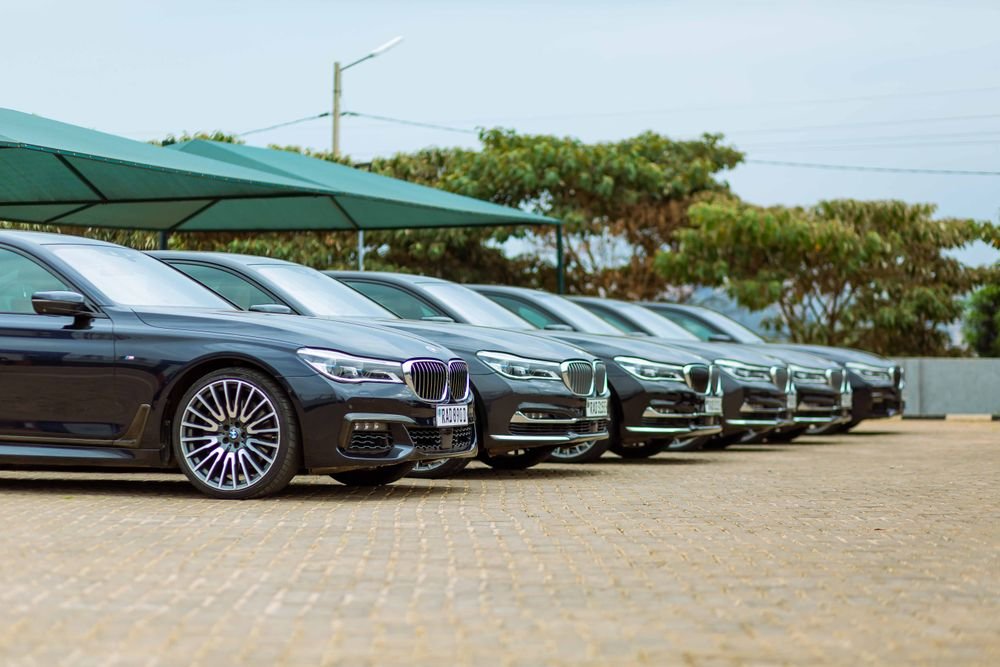
Cadillac is dropping models, shifting factories toward electric vehicles, and trailing behind BMW and Mercedes in sales. It’s easy to see why people are asking whether the brand is in trouble. But there’s a big difference between a company changing direction and one that’s shutting down.
This article breaks down what’s actually happening — whether Cadillac is closing or going bankrupt, why certain models are being cut, how the brand is performing right now, and what it means if you own or plan to buy a Cadillac.
Cadillac Is Not Going Out of Business
The short answer: No, Cadillac is not going out of business. There is no credible report of a bankruptcy filing, a brand shutdown, or any plan by General Motors to close Cadillac.
Cadillac is GM’s flagship luxury division. It cannot go bankrupt on its own — it exists as part of one of the largest automakers in the world. If GM were to make a major move with Cadillac, it would be front-page financial news. That hasn’t happened.
Most of the rumors trace back to two things: specific models being discontinued and headlines about the shift to electric vehicles. Neither of those means the brand is closing.
Cadillac sells vehicles in the U.S., Canada, China, and 34 other markets worldwide. In 2019, the brand hit a record 390,458 global vehicle sales. More recently, Q2 2025 retail sales were up 17.6% year-over-year — reportedly the best quarterly result since 2007. That’s not what a dying brand looks like.
Why Specific Models Are Being Cut
Model discontinuations are real, but they’re not a sign of collapse. They’re a sign of a product line changing.
The most talked-about cut is the gas-powered XT6. GM is ending XT6 production at its Spring Hill, Tennessee plant to free up manufacturing space for electric vehicles. The XT6 isn’t disappearing because nobody wanted it — it’s being replaced by the Vistiq EV, a three-row electric crossover that starts at around $77,395, compared to the XT6’s starting price of roughly $49,195.
That price jump is intentional, which we’ll cover in a moment.
The XT5, on the other hand, is staying in production through at least 2026. Earlier plans would have ended it sooner, but strong consumer demand changed that decision. That’s actually a good sign — Cadillac is responding to what buyers want rather than cutting everything at once.
Several other gas-powered models are expected to wind down around 2025–2026 as part of a phased transition. This isn’t unusual for automakers. Think of it like Apple retiring an older iPhone when a new one launches. The old model goes away, but the company isn’t going anywhere. The product line is just moving forward.
Where Cadillac Actually Stands Against Its Competitors
Here’s the honest picture: Cadillac is not in the same position it was 50 years ago, and it’s trailing its main rivals in volume.
Through the 1970s, Cadillac held close to one-third of the U.S. luxury market. Today that number is under 7%. In 2024, Cadillac sold roughly 160,000 vehicles in the U.S. BMW sold around 371,000 and Mercedes around 324,000 in the same period.
That’s a real competitive gap. Cadillac has lost significant ground to German luxury brands over the past few decades, and closing that gap won’t happen quickly.
But a competitive gap is not the same as a financial collapse. Cadillac still moves real volume, still has dealerships across the country, and is actively spending money to develop new vehicles. The brand’s main problem is competition and perception — not insolvency.
The 17.6% year-over-year sales increase in Q2 2025 shows there’s some momentum building, even if the brand hasn’t caught up to BMW or Mercedes yet.
Cadillac’s Bet on Electric Vehicles
The reason gas models are being cut comes down to one strategic decision: Cadillac is positioning itself as GM’s showcase for electric vehicle technology.
The current EV lineup includes the Lyriq, an electric SUV that’s been well-received, and the Vistiq, which replaces the XT6 as a three-row option. At the top of the range sits the Celestiq — a hand-built electric sedan aimed at the ultra-luxury market. It’s Cadillac’s way of saying it wants to compete at the very top, not just the middle of the luxury segment.
The pivot to EVs is also driven by emissions regulations across major markets. Automakers have to reduce their overall fleet emissions, and shifting production capacity toward electric vehicles is one of the most direct ways to do that.
Not everything gas-powered is ending at once. The XT5 is a good example — it’s staying in production because demand is strong, and Cadillac isn’t going to kill a revenue-generating product before EV demand can replace it. The transition is phased and practical, not a sudden cutover.
What this means for buyers is straightforward: the new Cadillac lineup skews more expensive. The Vistiq EV costs about $28,000 more than the XT6 it replaces. That’s a deliberate move to push the brand further upmarket and rebuild the kind of prestige it held decades ago.
What This Means If You Own a Cadillac
If your specific model is being discontinued, you don’t need to panic. Here’s what actually matters for current owners:
- Parts and service will continue. GM, like all major automakers, is required to support vehicles for many years after production ends. A discontinued model doesn’t mean parts dry up overnight. Owners of the XT6, for example, should expect normal support through their dealership for years to come.
- Warranty coverage doesn’t change. Your existing warranty stays in place regardless of whether Cadillac keeps making your model.
- Resale value may be affected. Discontinued models sometimes see a dip in resale value once buyers know a replacement is coming. That said, it depends heavily on the condition of the vehicle and demand in your area.
If you’re considering buying a new Cadillac, the question to ask is whether you want a gas model that’s still available or whether you’re open to the newer EV options. Both are real choices right now. The gas XT5 is still in production. The EV Lyriq and Vistiq are on the market. Cadillac isn’t forcing anyone into anything yet.
Has Cadillac Ever Been in Real Trouble Before?
Yes — and it’s worth knowing because it puts the current situation in context.
In the 1980s and 1990s, Cadillac went through a genuinely rough period. The brand tried to chase younger, lower-income buyers with smaller, cheaper models. Quality issues hurt its reputation. Its core buyer base was aging and shrinking. Some accounts from that era describe the brand as being close to an existential crisis.
But GM restructured, reinvested, and repositioned Cadillac rather than closing it. The brand came back. “Almost went out of business” is very different from actually closing — and Cadillac has proven it can survive serious setbacks before.
The current situation doesn’t look like the 1980s. Today’s challenges are about competition and transition strategy, not product failures or financial crisis.
The Bottom Line
Cadillac is not going out of business. It’s going through a significant product transition, cutting some gas models, launching electric ones, and trying to move the brand upmarket. That’s a strategy shift — a big one — but it’s not a shutdown.
The brand has real challenges. Its market share is much smaller than it was in its peak years, and competing with BMW and Mercedes is genuinely difficult. But none of that points to Cadillac closing its doors.
If you follow business news regularly, InBizMag covers brand strategy and market trends across industries, which can help you separate real business problems from the noise.
For anyone watching Cadillac, the thing to track isn’t whether gas models are ending. It’s whether the EV lineup gains real traction with buyers. That’s the actual test of whether this strategy works.
Read Also:

